Strategy and content feed each other. Your strategy decides what photos and video you go capture, and your content turns around and shapes your strategy. Powerful creative can carry you through a down market or crack open a new one. So before you blame a market, look hard at what you put in the mailbox.
"The question to always ask is simple: is it the market, or is it my marketing?"
Don't give up on a market right away. Give it at least three to five quality drops before you look at any data. One or two pieces tells you nothing except that people saw your name once.
Obey the first rule of marketing.
Know your consumer and give them what they want. Pay attention to the jobs that actually sell in a given market, because they're often not the jobs you expected. Some markets have an itch: fading Hardie siding, outdated cabinets, lead-based paint, carpentry repairs. Find the itch and scratch it.
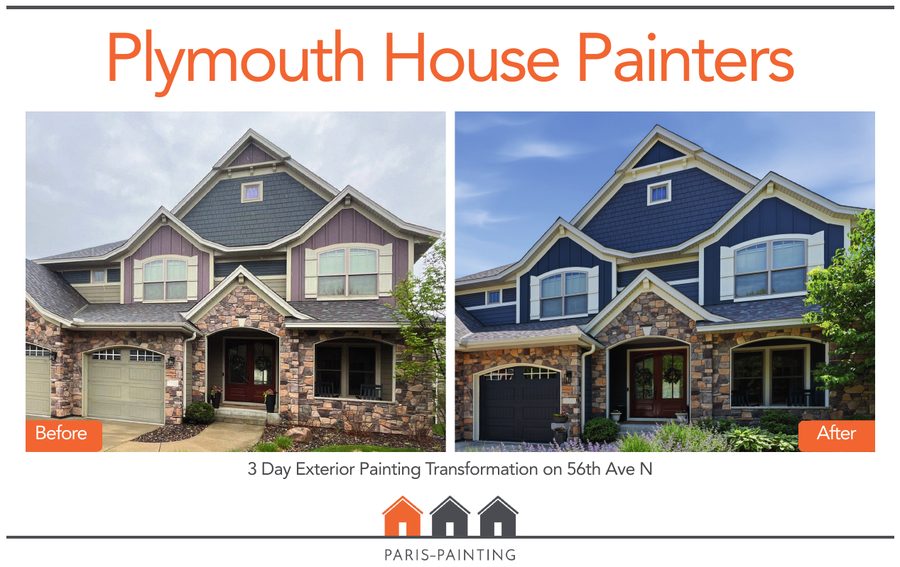
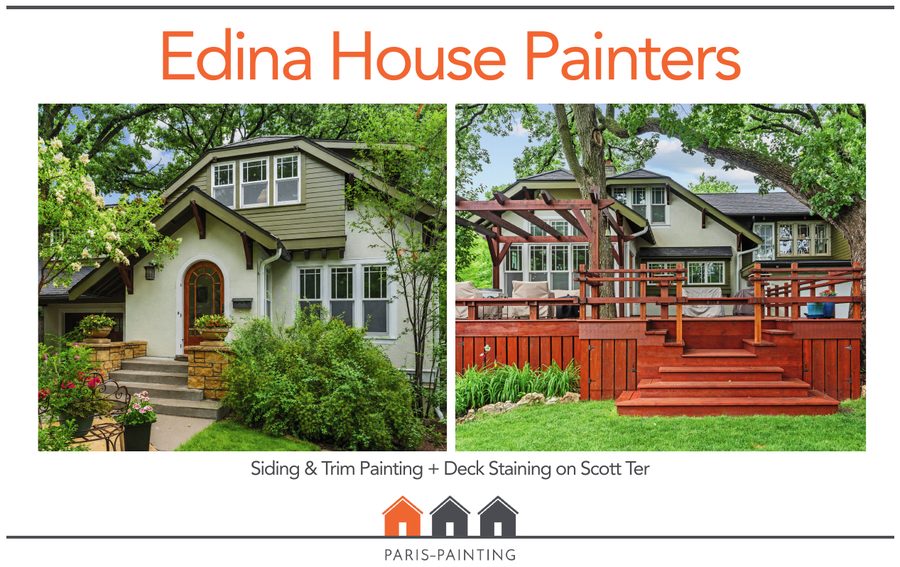
Here are two of ours. Same company, same format, but each one leads with the work that actually sells in that neighborhood.
Three classes of markets.
Markets aren't all the same age, and how you treat one depends on where it sits.
Most of my attention goes to ZIP codes and neighborhoods that can produce $250,000 in revenue or more in a single year. That threshold keeps the plan honest.
Pivot mid-season to momentum.
When you're in the thick of the season, follow the momentum. Move toward neighborhoods where you already have jobs in production. Mail right after a job is complete, with professional before-and-after photos and neighborhood-specific messaging. The proof is sitting right there on the street, so use it while it's fresh.
Substrate beats demographics.
Get data on the exterior substrate before you get excited about demographics. Income tells you very little if you end up targeting a street full of maintenance-free exteriors with nothing to paint.
"Over half of our projects involve lead paint. Those jobs average $8,614 versus $6,046 for non-lead work. The old wood homes everyone else filters out are often the best jobs on the street."
The knee-jerk reaction is to target the wealthy. That's not wrong, but wealth is not the only key factor, and treating it like one leaves money on the table.
Have a 12-month plan, but operate on 30 days.
Have a plan for the year, but expect to operate more like a 30-day plan. Map about a month out at a time and let both your data and your content shape the adjustments. You can't lock the whole year in advance, because you don't have the ad creative yet. The creative comes from the jobs you're producing right now, and the results tell you where to spend next.
- Is timed right
- Is locally positioned
- Has a clear call to action
- Targets the right audience
- Features authentic social proof – so don't skimp on your content
Where we do the best.
- Neighborhoods near unique land features – by the lakes, parkways, rivers
- Historic high-end neighborhoods – house-proud, and not a home you buy by accident
- Aging new developments hitting their first paint cycle – usually around 10 years old
And the homeowners we serve best:
- Forever homes – they plan to stay, so quality matters more than price
- Widows and elderly homeowners – this may be the last time they ever paint the house
Finesse, not force.
You can't open a new market with brute force. Or you can, and it will be expensive. Opening a market takes finesse: the right content, at the right time, with the right messaging, aimed at the right people, plus the patience to let it work.
Direct mail is a great tool to differentiate yourself, because it shows you're professional instead of just claiming it. The real professional companies execute direct mail at a high level. It's also one of my favorite tools because it lets you target specific households. Not many channels let you get address-specific.
Only mail what you're proud of.
You should only mail things you're proud of. I don't think you'd be proud of a fake handwritten letter, and I don't think you'd be proud of an AI-generated image. The problem with so many companies is that they mail junk and don't take ownership. They just outsource it and stop caring.
If you wouldn't hang it on your own wall, don't put it in someone's mailbox.